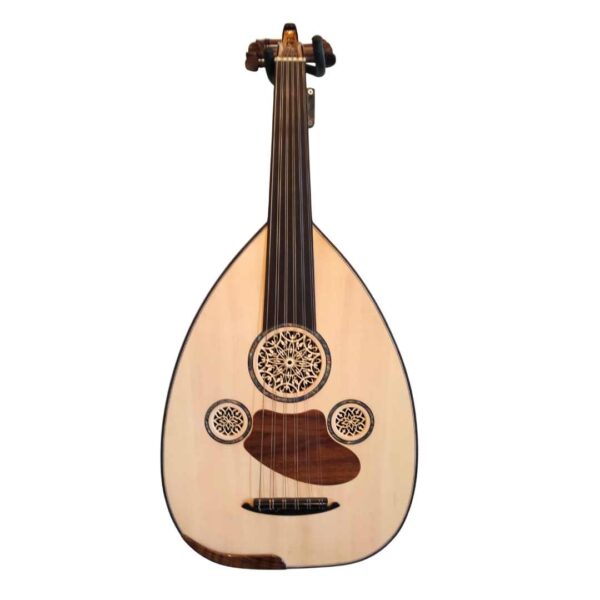
Turkish Oud
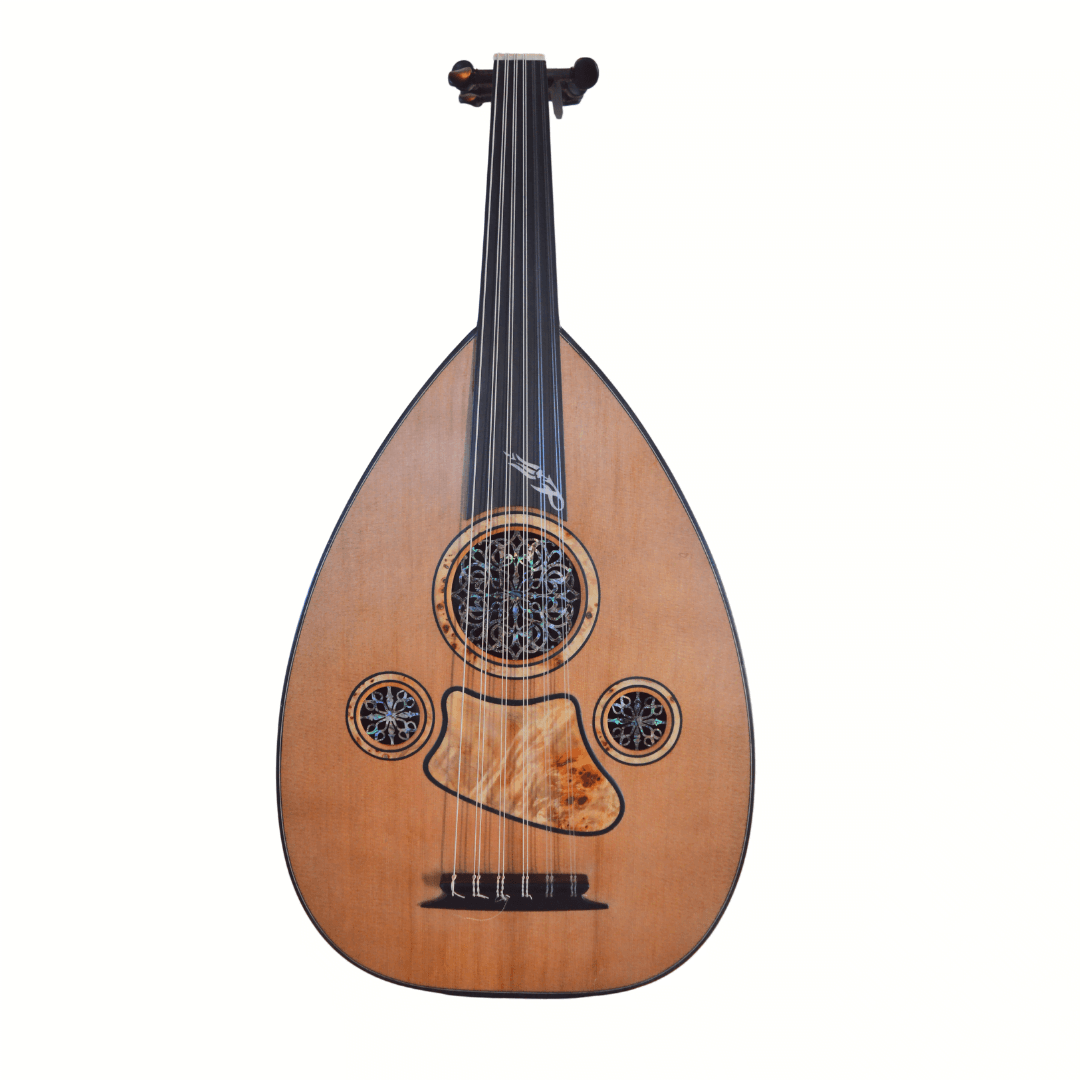
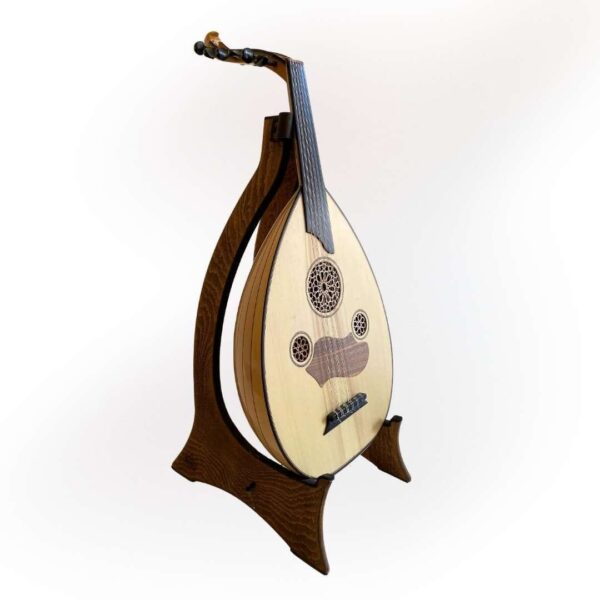
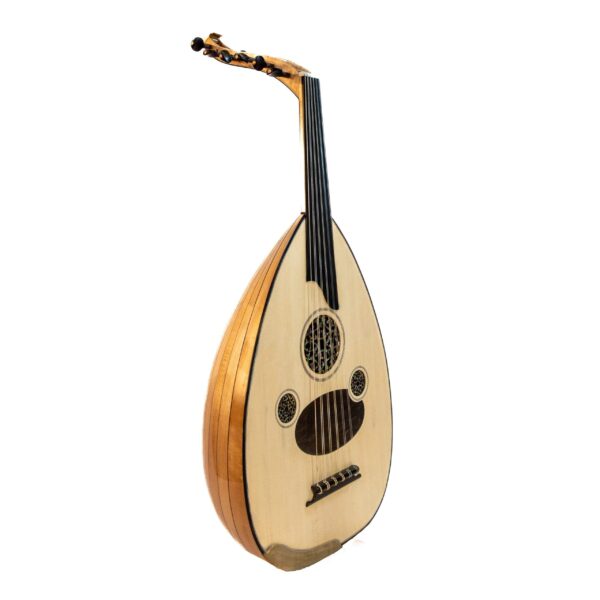
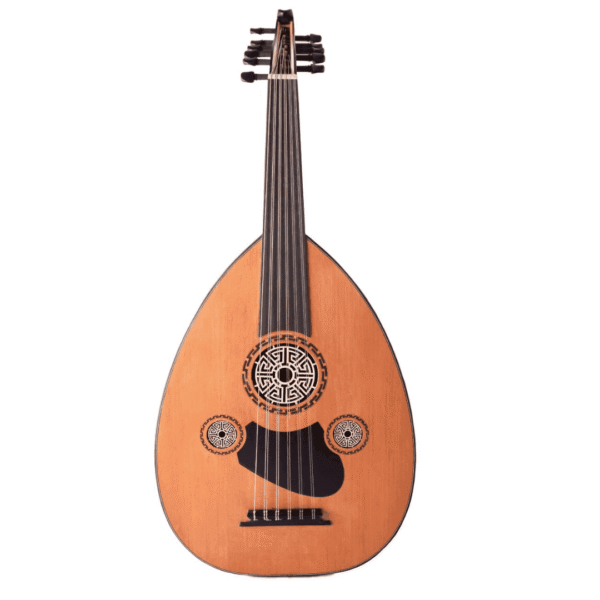
The Turkish oud is an eleven-string fretless lute used across Turkish classical music, Ottoman court repertoire, and contemporary world music ensembles. Compared to its Arabic counterpart, the Turkish oud has a smaller body and shorter neck, which produces a brighter, more focused voice and gives players precise control over microtonal ornamentation — essential for maqam performance. Most Turkish ouds use a spruce or cedar soundboard paired with walnut, mulberry, or mahogany back and sides. String courses are typically arranged as five double courses plus a single bass string, tuned in fourths. The fretless fingerboard allows players to execute the quarter-tones and glides that define Turkish maqam practice. At Tapadum we work directly with luthiers from the Izmir workshop tradition — including Feramis Aktas and Yıldırım Palabıyık — and test every instrument for tuning stability, head tension, and balance across registers before it leaves our Brisighella showroom. Our collection covers acoustic concert ouds, semi-hollow electric Turkish ouds for stage use, and professional instruments for serious students. Whether you are studying Ottoman repertoire, transitioning from Arabic oud, or building a recording instrument, the Turkish oud offers tonal clarity, control, and a long tradition of expressive playing. For broader context, see the Oud category overview. Turkish oud vs Arabic oud — what is the difference? The Turkish oud has a smaller body, shorter neck, and brighter, more focused tone — designed for the microtonal precision of Turkish maqam music. The Arabic oud has a larger bowl and deeper voice, better suited to traditional Arab classical repertoire. Both share the same fretless construction and are tuned in courses, but their timbres and playing techniques are distinct.